Riddlesdown Common rug cleaning tips for local homes
If you live near Riddlesdown Common, you already know rugs do a lot more than fill a floor. They catch muddy boots after a damp walk, soften a hallway that gets constant traffic, and quietly collect dust, pet hair, crumbs, and the odd spill. Truth be told, a rug in a busy local home can start looking tired long before the room itself does. That is why these Riddlesdown Common rug cleaning tips for local homes matter: they help you keep fibres fresher, colours brighter, and wear under control without turning cleaning day into a full-scale ordeal.
In this guide, you will find practical, UK-friendly advice for everyday rug care, stain handling, deeper cleaning, and the sort of mistakes that make a good rug age fast. We will also cover when a DIY approach is sensible, when to call in a specialist, and how to think about materials, drying, and safety. If you want a rug that still looks welcoming on a wet Monday afternoon, you are in the right place.
Why Riddlesdown Common rug cleaning tips for local homes Matters
Rugs in local homes take a different kind of beating than you might first imagine. Around Riddlesdown Common, there is a mix of family life, pets, busy commutes, school shoes, and the lovely but slightly annoying British weather. That combination means grit gets dragged indoors, damp air can slow drying, and fibres can hold on to odours more stubbornly than a hard floor ever would.
A rug that looks "just a bit dull" can also be hiding deeper issues. Dust settles into the pile, allergens build up, and accidental spills can spread into the backing if they are left too long. Once that happens, surface vacuuming alone is not enough. You may see a clean top layer while the underlayers still smell stale. Not ideal.
There is also a value point that people often overlook. Rugs are decorative, yes, but they are also an investment. Whether yours is a flatweave runner, a wool living room rug, or a soft synthetic piece in a child's bedroom, proper care can help it last longer and keep its shape. That is especially important in homes where furniture gets moved around often or where one corner seems to attract every cup of tea within a five-foot radius. Why let that happen if a few simple habits can prevent it?
For households that want a more thorough clean than routine maintenance, it can help to look at specialist rug care alongside general textile care. Services such as rug cleaning, stain removal, and even steam carpet cleaning can be useful depending on the fibre and the level of soiling. Different jobs, different tools. Simple enough, really.
How Riddlesdown Common rug cleaning tips for local homes Works
Good rug cleaning is not about scrubbing harder. It is about matching the method to the material, the stain, and the condition of the rug. That sounds obvious, but plenty of damage happens because someone uses the same approach on every rug in the house. Wool, silk blends, viscose, synthetic fibres, and hand-tufted pieces all react differently to water, heat, friction, and detergents.
A sensible home-cleaning process usually follows a simple pattern:
- Inspect the rug - check the label, fibre type, backing, colourfastness, and any wear at the edges.
- Remove loose dirt - vacuum both sides if possible, or at least the top thoroughly.
- Spot test any cleaner - try it on a hidden corner first.
- Treat marks carefully - blot, do not rub, and work from the outside in.
- Control moisture - use as little liquid as practical.
- Dry properly - airflow matters more than people think.
That last point is the one many people underestimate. A rug can look fine while still holding moisture deep in the fibres or backing. Then, a day later, you get a musty smell. By then it is not just annoying; it can become a much bigger job. A fan, open window, or dehumidifier can make all the difference. On a cold January evening, it can feel like a faff. But it pays off.
If a rug has a persistent odour problem, pet accident, or repeated staining, it may be worth combining careful home care with pet stain and odour removal or carpet cleaning support where appropriate. The point is not to overcomplicate things. The point is to avoid making a small problem worse.
Key Benefits and Practical Advantages
The obvious benefit of cleaner rugs is that they look better. Fair enough. But the real advantages go much further than appearance.
- Longer rug life - less grit in the pile means less fibre abrasion over time.
- Better indoor freshness - regular cleaning helps reduce stale smells from dirt, pets, and moisture.
- Improved room presentation - clean rugs anchor a room and make the whole house feel looked after.
- Less cross-contamination - rugs near doorways can trap soil before it spreads through the property.
- More confidence with guests - nobody wants to stare at a coffee mark while making tea.
There is also a practical comfort angle. A clean rug underfoot feels softer, less gritty, and more pleasant, especially in living rooms and bedrooms. If you have children lying on the floor with books or pets curling up for naps, that matters more than people sometimes admit.
For busy homes, routine rug care can also reduce the need for emergency cleaning after a spill. A rug that is regularly vacuumed and rotated is more predictable. Less drama. Less panicked blotting with kitchen roll at 9:40 p.m.
Expert summary: the best rug cleaning routine is boring in the nicest possible way - regular vacuuming, prompt stain treatment, controlled moisture, and proper drying. Nothing fancy, just consistently sensible.
Who This Is For and When It Makes Sense
These tips are useful for just about any local home, but they are especially relevant if your household includes any of the following:
- high foot traffic from a hallway or living room
- pets that shed, track in dirt, or occasionally have accidents
- young children, snacks, and the mysterious physics of spilt juice
- wool or blended rugs that need a bit more care
- homes with damp-prone areas or limited drying space
- anyone trying to preserve a decorative rug that cost more than they care to admit
It also makes sense if you are deciding whether to clean a rug yourself or book a specialist. Small surface marks on a synthetic rug? Usually manageable at home. An antique, hand-knotted, or delicate piece? Better to be cautious. The wrong cleaner can strip dye, flatten fibres, or leave a tide mark that will bug you every time you walk past it.
Sometimes the decision is simple: if the rug smells fine, the stain is fresh, and the backing has not been soaked, DIY may be enough. If it has been sitting there a while, or the material is fragile, professional help is usually the safer route. No shame in that at all.
For readers comparing broader textile care options, related pages like upholstery cleaning and sofa cleaning can be useful when the same spills or pet messes affect more than one item in the room. One tea incident, three surfaces. Typical.
Step-by-Step Guidance
Here is a practical, no-nonsense routine you can follow for most everyday rugs at home.
1. Start with a dry clean
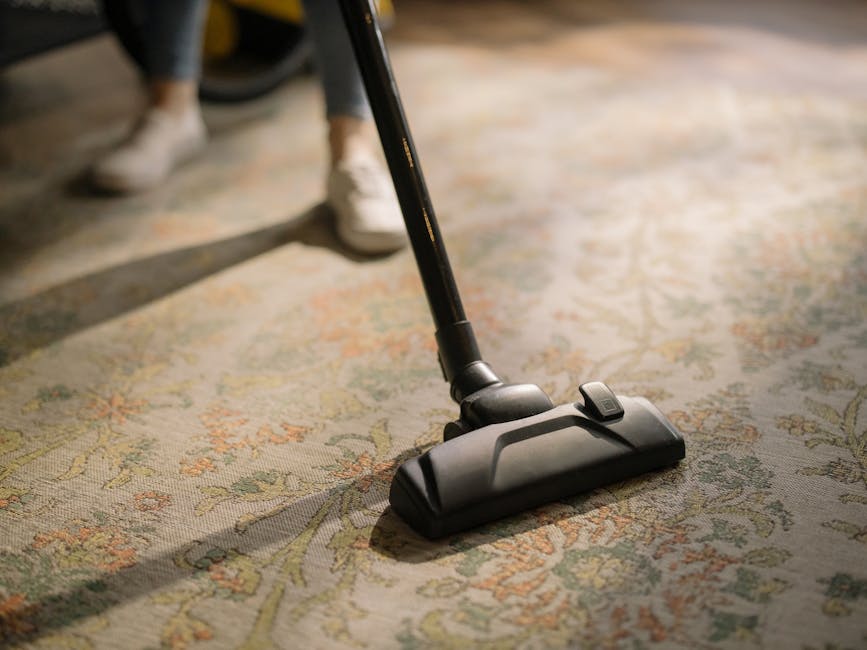
Vacuum slowly and in both directions if the rug allows it. That helps lift embedded grit rather than just skimming the top. If your vacuum has a height setting, use the gentlest effective option. Too much suction on a lightweight rug can be a nuisance, and sometimes the rug just ends up trying to follow the cleaner around the room.
2. Check the backing and label
Before adding any moisture, look for cleaning guidance from the manufacturer if you have it. If not, assume caution. Natural fibres usually need a lighter touch than synthetics. Latex backing, fringe, and glued sections are especially sensitive to over-wetting.
3. Treat fresh spills quickly
Blot with a clean white cloth. Do not rub. Rubbing pushes the spill deeper and can distort the fibres. Work from the outer edge of the stain towards the centre, so you do not spread it. If needed, use a small amount of plain water first. For many spills, that is enough when you catch them early.
4. Use a mild cleaner carefully
If water alone is not enough, use a rug-safe cleaner and apply it sparingly. Less is usually more. A common mistake is spraying too much product, which leaves residue that attracts dirt later. Then the rug seems to get dirty again very quickly, which is deeply annoying.
5. Rinse lightly if required
If you used a detergent, remove residue with minimal clean water and blot thoroughly. Residue left behind can make the fibres feel sticky or stiff. That is not the finish anyone wants.
6. Dry with airflow
Open windows if weather allows, use a fan, and lift the rug where safe to circulate air underneath. Avoid placing it directly over intense heat. A radiator or strong heater can cause uneven drying or shrinkage in some materials.
7. Restore the pile
Once dry, gently brush or groom the fibres if the rug type permits. This can help flatten marks settle back down and make the texture look more even again.
If the rug has a deeper set stain or the marks keep reappearing, it may need more than household treatment. That is the point where specialist stain removal methods can save time and prevent accidental damage.
Expert Tips for Better Results
There are a few habits that make a noticeable difference, and they are not glamorous at all. But they work.
- Vacuum before the dirt disappears into the pile - waiting too long means grime gets compacted.
- Rotate rugs every few months - sunlight and traffic wear patterns can make one side age faster than the other.
- Use entry mats - they reduce the amount of soil that ends up in the rug in the first place.
- Test cleaners in poor light and good light - a stain may look gone until daylight shows a ring or patch.
- Keep white cloths for spot cleaning - coloured cloths can transfer dye, and that is a mess nobody asked for.
- Let the rug dry fully before replacing furniture - trapped moisture under a heavy leg can create a damp patch or indent.
One small trick that people appreciate: after drying, run your hand across the pile in different directions. If it still feels slightly sticky or claggy, residue may remain. That is your sign to rinse and blot again, lightly. Not aggressively. We are cleaning a rug, not sanding a bench.
Another useful habit is to deal with one type of mess at a time. Mud, food, pet issues, and dust each behave differently. If you combine products too quickly, you can create more problems than you solve. Keep it simple and steady.
Common Mistakes to Avoid
Most rug damage does not happen in one dramatic moment. It happens through ordinary little mistakes repeated over time. Annoying, but true.
- Using too much water - this can reach the backing and extend drying time.
- Scrubbing hard at a stain - it can fuzz the fibres and spread the mark.
- Skipping the spot test - one hidden patch can save a very visible disaster.
- Ignoring fringe - fringes fray, tangle, and stain faster than the main body of the rug.
- Letting spills sit overnight - by morning, they are usually deeper and more stubborn.
- Using a random cleaner on every rug - one size rarely fits all.
- Putting the rug back before it is fully dry - dampness trapped under furniture is asking for trouble.
There is also a temptation to chase perfection. A rug does not need to look showroom-new every time. Sometimes the right goal is simply clean, fresh, and structurally sound. If a faint shadow remains after careful treatment, you may have reached the sensible limit of home cleaning. That is fine.
For larger or more delicate items, and especially if you are already planning a broader clean in the house, it can be more efficient to coordinate rug care with curtain cleaning or broader fabric care. That way the whole room resets at once. Quite satisfying, actually.
Tools, Resources and Recommendations
You do not need a cupboard full of gadgets to care for a rug well, but a few useful tools make life easier.
| Tool | What it helps with | Best use |
|---|---|---|
| Vacuum cleaner with adjustable suction | Loose dirt, dust, pet hair | Weekly maintenance and pre-cleaning |
| White microfibre cloths | Blotting spills without dye transfer | Spot treatment |
| Soft brush | Gently lifting pile | After drying, on suitable rugs |
| Fan or dehumidifier | Speeding up safe drying | After any damp cleaning process |
| Mild rug-safe cleaner | Light stain and soil removal | Testing and small-scale treatment only |
For households wanting a deeper reset, professional care can be a sensible next step. Depending on what else needs attention, you might also consider mattress cleaning for bedrooms or carpet cleaning for the main floor areas. Keeping the soft furnishings in the same condition helps the whole home feel fresher, not just one corner of it.
If you are comparing service options, looking at pricing and quotes can help you understand what is included before booking. And because trust matters, it is also sensible to review insurance and safety information before anyone treats delicate textiles in your home. Better safe than sorry, as they say.
Law, Compliance, Standards, or Best Practice
Rug cleaning at home is not heavily regulated in the way some trades are, but good practice still matters. In the UK, households generally need to think about safe product use, careful handling of water and electricity, and responsible disposal of dirty water or packaging. If a cleaning product is used, follow the label and keep it away from children and pets while in use and drying.
For professional services, the key expectations are straightforward: work should be carried out safely, with appropriate insurance, clear communication, and reasonable care for the property. If a company publishes a health and safety policy, payment information, and a complaints process, that usually gives a helpful sign that they take their responsibilities seriously. You are not asking for a grand promise, just proper conduct.
Environmental care is also becoming a normal part of best practice. Using only the amount of product needed, reducing waste, and avoiding unnecessary water use are sensible habits. If sustainability is important to you, a page like recycling and sustainability can be a useful reference point when choosing a provider or deciding how you clean at home.
One more practical note: if a rug is valuable, antique, or made from sensitive fibres, the safest standard is caution. When in doubt, choose the gentlest method first and stop if the colour shifts, the fibre feels rough, or the backing starts to curl. There is no prize for forcing a clean where a light touch would have done.
Options, Methods, and Comparison Table
Different rug problems call for different approaches. Here is a simple comparison that may help you decide what makes sense.
| Method | Best for | Pros | Watch-outs |
|---|---|---|---|
| Dry vacuuming | Routine maintenance | Fast, safe, effective for loose dirt | Won't remove deep stains or odours |
| Spot cleaning | Fresh spills and small marks | Cheap, quick, good for early intervention | Can spread stains if overdone |
| Gentle hand cleaning | Light soil on stable rugs | More control over moisture | Time-consuming, risk of residue |
| Steam-based or hot-water cleaning | Heavier soiling on suitable rugs | Can lift embedded dirt well | Not suitable for every fibre or backing |
| Professional rug cleaning | Delicate, valuable, or heavily soiled rugs | Expert handling, better for tricky cases | Cost and collection logistics may apply |
The right choice depends on the rug, not just the stain. A kitchen runner and a hand-knotted wool rug are not the same job. Not even close. If you are unsure, it is usually wiser to pause than to push on with a method that feels a bit too aggressive.
Case Study or Real-World Example
A local family in a busy home near Riddlesdown Common had a rug in the living room that looked grey at the centre and patchy around the edges. Nothing dramatic, just a slow build-up from day-to-day life: school shoes, a dog that loved the hallway, and one or two snack-related incidents that were never fully admitted to. The rug had not been soaked, but it had been cleaned with too much spray cleaner more than once. That left residue, which made new dirt cling faster.
The first step was not some dramatic deep clean. It was a proper vacuum on both sides, followed by gentle spot treatment on a couple of marks, then careful drying with airflow. The difference was not instant miracle-level, but it was clear. The rug looked lighter, the fibres no longer felt tacky, and the odour had gone from "slightly stale" to neutral. A few weeks later, with better maintenance and less product, the rug stayed presentable for longer.
That kind of result is fairly typical. Most rugs do not need heroic effort. They need a more thoughtful routine than people usually give them.
Practical Checklist
Use this checklist before, during, and after cleaning.
- Vacuum the rug thoroughly before adding any moisture.
- Check the fibre type, backing, and any care label first.
- Test any cleaner on a hidden area.
- Blot spills instead of rubbing them.
- Use only the minimum amount of liquid needed.
- Keep cleaner away from fringes unless the method is suitable.
- Dry with airflow and patience.
- Do not place furniture back until the rug is fully dry.
- Rotate the rug regularly to spread wear.
- Book specialist help for fragile, valuable, or stubbornly stained rugs.
If you want to explore the business side of arranging a professional clean, it can help to review about us and the terms and conditions before booking. Clear expectations make the whole process calmer.
Conclusion
Rug care does not need to be complicated, but it does need to be thoughtful. The best Riddlesdown Common rug cleaning tips for local homes are the ones that protect the fibre, avoid over-wetting, and keep dirt from settling in too deeply in the first place. A little regular maintenance goes a surprisingly long way. Honestly, that is usually the story with home cleaning: steady habits beat dramatic rescues.
If you handle spills quickly, vacuum well, dry properly, and choose the right method for the right rug, you will extend the life of your textiles and keep your rooms looking more inviting. And if a rug is delicate, valuable, or simply beyond sensible DIY treatment, bringing in help is not giving up. It is just being practical.
Get a free quote today and see how much you can save.
For homeowners who want peace of mind as well as cleaner floors, the next step is simply choosing the right level of care and sticking with it. Small effort. Big payoff. That's the nice part.
Frequently Asked Questions
How often should I clean a rug in a busy home?
Vacuuming once or twice a week is a sensible baseline for a busy household, with spot cleaning as needed. Deeper cleaning depends on use, material, and whether pets or children are part of daily life.
Can I use carpet cleaner on every rug?
No. Carpet cleaners can be too harsh for some rugs, especially wool, viscose, silk blends, or rugs with delicate backing. Always check the care guidance first and test in a hidden area.
What is the safest way to remove a fresh stain?
Blot the stain with a clean white cloth, work from the outside in, and use only a little water at first. Avoid rubbing, because that can push the stain deeper and spread it further.
Why does my rug smell musty after cleaning?
That usually means moisture was left in the fibres or backing. Better airflow, more drying time, and avoiding over-wetting can help. If the smell persists, the rug may need more thorough treatment.
Are steam cleaners safe for rugs?
Sometimes, but not always. Steam or hot-water methods can be useful on suitable synthetic rugs, while delicate fibres may be damaged by heat or excess moisture. Material matters a lot here.
How do I know if my rug needs professional cleaning?
If the rug is valuable, antique, heavily soiled, stained with something oily or stubborn, or starting to smell despite home care, professional cleaning is usually the safer option.
Should I vacuum both sides of a rug?
If the rug size and construction allow it, yes. Vacuuming the underside can help remove grit that works its way through the pile and reduces the wear caused by trapped dirt.
Can I dry a rug on the radiator?
It is better not to. Direct heat can cause uneven drying, shrinkage, or fibre damage. Gentle airflow from a fan or open window is usually the safer approach.
What causes repeated stains to reappear?
This often happens when residue remains in the fibres or the stain has soaked into the backing. The liquid can migrate back to the surface as it dries, leaving a faint mark again.
How can I stop my rug getting dirty so quickly?
Use door mats, vacuum regularly, rotate the rug, and avoid using too much detergent when cleaning. Residue attracts dirt, so a lighter touch often keeps rugs cleaner for longer.
Is rug cleaning worth it for cheaper rugs?
Usually, yes, if the rug still has useful life left or is important to the room. Even a modest rug can look much better with proper care, and that can delay replacement.
Can professional cleaners help with odour as well as stains?
Yes, depending on the cause of the smell. Pet accidents, food spills, and damp-related odours often respond better to a specialist treatment than to household cleaning alone.